Moncler's 'City of Genius' in Shanghai: How Limitless Creativity Redefines the Future of Luxury Marketing

Amy Weng • October 23, 2024

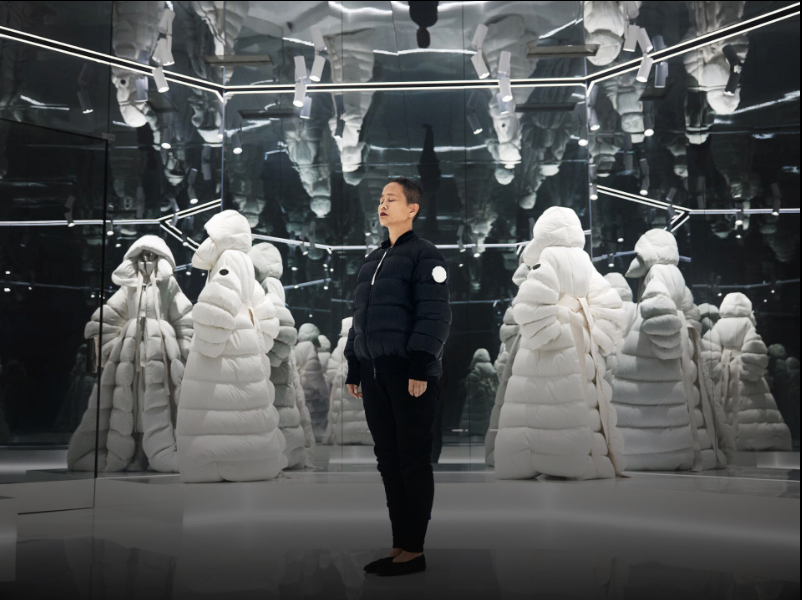
Moncler’s 'City of Genius' was undoubtedly the standout event at last week’s Shanghai Fashion Week. More than just a fashion show, the brand created an entire world right next to the Huangpu River, blending fashion, art, design and music into a multi-dimensional experience.


The event explored the theme of genius, posed as a question across social media: “What is Genius?” And the answer was manifested in a collaboration with 10 guest designers, including Rick Owens, Jil Sander, Willow Smith and A$AP Rocky. The scale was impressive, with over 8,000 guests attending in person and 57 million viewers online. The creative showcase extended beyond the global to the local, with Moncler partnering with famous Chinese artist Xu Bing, whose calligraphy work set the tone at the entrance. This mix of international influence and local engagement is exactly the kind of innovation luxury brands need to adopt, especially when operating in competitive markets like China. 


Why Shanghai Matters

Moncler’s decision to host such a high-impact event in Shanghai is strategic. Despite a tough economic climate for luxury goods, China remains a key market. Asia accounts for nearly 50% of Moncler’s sales, and revenue was 11% up in China in H1 2024. Moncler outperformed competitors by continuing to innovate and engage with the local market. These figures speak to the continuing importance of China for global luxury brands.


Shanghai’s status as a global fashion and innovation hub is no accident. For luxury brands, the city represents a unique intersection of creativity, commerce, and technology. Over the past decade, it has firmly established itself as a critical player in the luxury industry. The city’s fast-paced lifestyle, cosmopolitan population, and deep appreciation for both heritage and innovation make it a natural fit for luxury brands seeking to push boundaries. Moncler successfully created an experience that resonated with consumers who are increasingly sophisticated and selective. 


The Continued Importance of China for Luxury Brands


While some brands may be facing challenges in China, the opportunity here is still enormous. Daniel Zipser, Senior Partner at McKinsey, has noted that Chinese consumers’ overseas luxury spending is gradually returning to pre-pandemic levels. This recovery in spending, coupled with the fact that China’s domestic luxury market is becoming more competitive, means that brands need to rethink their strategies. It’s no longer enough to rely on the traditional retail model. Instead, brands must innovate to capture consumer attention in both physical and digital spaces.


Moncler’s 'City of Genius' shows that one of the most effective ways to do this is through highly curated, immersive events. The fusion of global and local elements in Moncler’s showcase highlights an important shift: luxury brands can no longer afford to treat China as a homogeneous market. Consumers here value cultural nuance, authenticity, and creativity, and they expect brands to deliver more than just products.


Lessons for Other Brands


There are clear takeaways from Moncler’s approach:

  • Create Immersive Experiences: Moncler created a powerful brand experience by combining fashion, art and music into an immersive event. Consumers today are looking for experiences that engage them on multiple levels: visually, emotionally, and digitally. Moncler understood this and designed an event that was part art installation, part fashion showcase, and part cultural event.
  • Leverage Digital Reach: Moncler's ability to draw in 57 million online viewers highlights the importance of digital amplification. In China, social media platforms like WeChat, Weibo, and RED (Xiaohongshu) are crucial for building brand awareness and community engagement. Mastering these platforms and leveraging user-generated content can significantly extend the reach of physical events.
  • Global and Local Collaboration: The collaboration with Chinese artists like Xu Bing shows how to strike a balance between international and local partners. Brands that understand and incorporate Chinese culture authentically into their campaigns will resonate more deeply with consumers.


Innovating in Times of Change


While China’s luxury market may currently be facing challenges, Moncler’s success in Shanghai proves that the key to thriving in uncertain times is innovation and boldness. Brands that adapt quickly, especially those willing to think beyond the traditional ways of operation, will be the ones leading the way when the market cycle rebounds.


For Moncler, this event was not just a marketing strategy but a reaffirmation of its commitment to innovation and creativity. As other brands take note, the future of luxury in China will depend on how well they can learn from these bold examples and continue to push boundaries.


At Think East, we keep you updated on innovative brand strategies like this one and how they’re reshaping the luxury market in China. We also help you create and tailor your own brand strategy to navigate the unique landscape of China’s market, ensuring your brand connects with local audiences and drives long-term success.


Stay tuned for our next post, and connect with us on LinkedIn or via email—we’d love to hear your thoughts and questions.


See you next time!
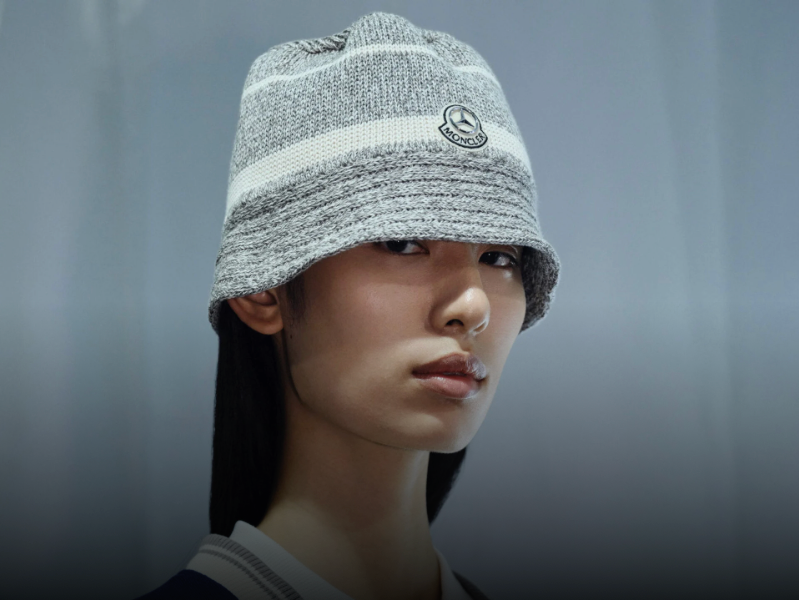

Banner image and all gallery images: Courtesy of Moncler.
By Fiona Koh January 13, 2026
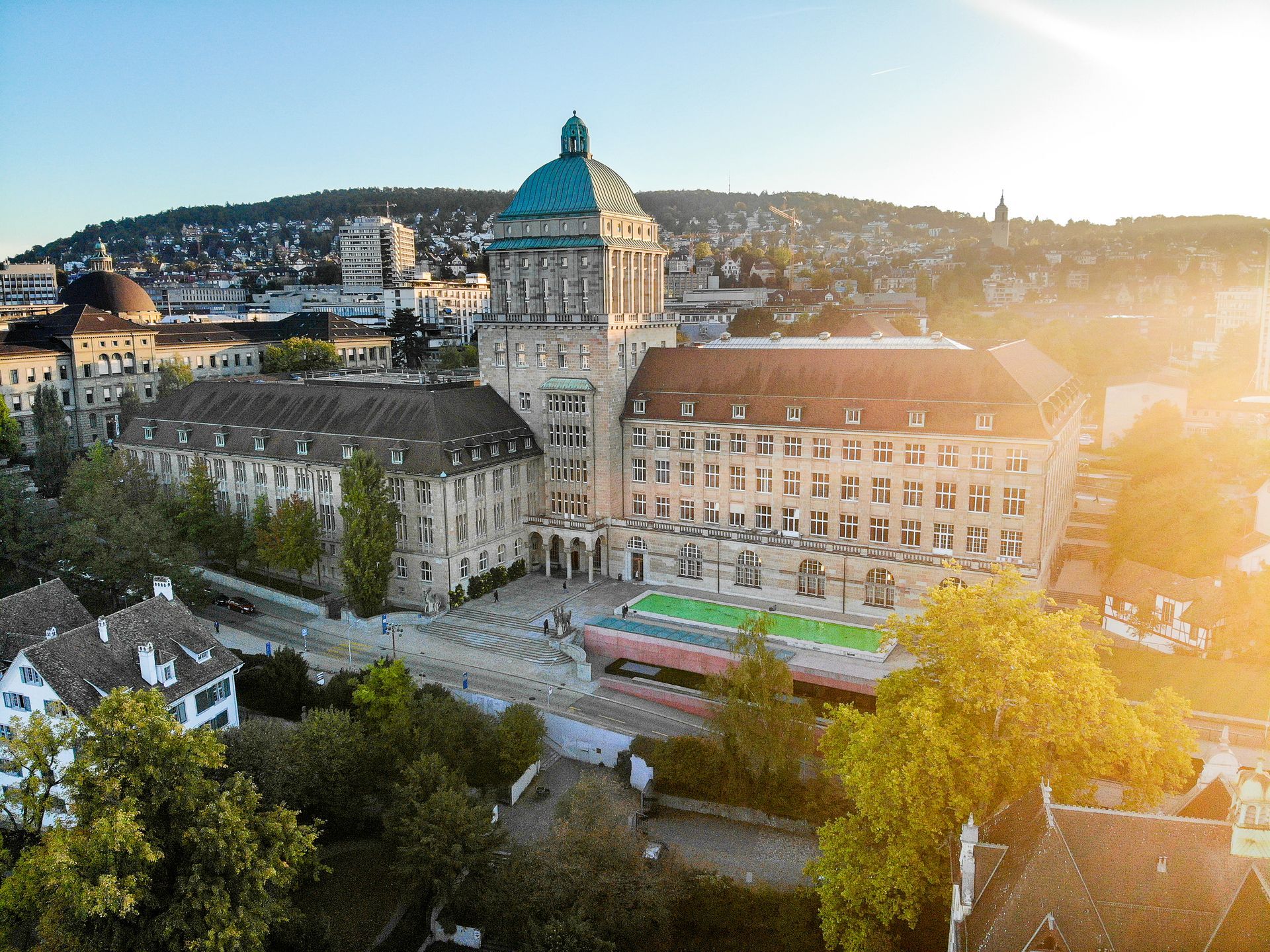
Whoever has visited China, no matter how big or small the city, will have observed one thing: Chinese elderly women line dancing in public plazas to loud Chinese pop songs blaring out of big speakers. Even late at night, the Chinese aunties dance in big groups and spend time together. Anyone who has spent some time in China will also have noticed the ubiquitous outdoor fitness parks where elderly men casually crank out pull-ups as if they’re competing in a world championship, staying fit with whatever equipment happens to be available. Furthermore, China’s “silver economy” providing products and services for the elderly is estimated at ~7 trillion yuan (~CHF 800 billion) as of 2023 and projected to reach ~30 trillion yuan (~CHF 3.4 trillion) by 2035. Such observations are in stark contrast to the Swiss landscape: Elderly are mostly seen running errands before they disappear back into their house or apartment. While some take to the mountains for hiking, everyday public life remains largely age-neutral, with older generations mostly out of sight. Beyond walking or hiking, it is uncommon to see elderly people dancing or exercising openly in public spaces. But why are the two cultures so different in how elderly find their space in society? The contrast isn’t accidental; it’s the result of history, urban design, social norms, and how each society understands aging itself. First, public space plays a very different role. In China, dense urban living and a long tradition of communal life mean that plazas, parks, and courtyards function as extensions of the home. Dancing, tai chi, or using outdoor fitness equipment is not seen as “performative” or unusual; it’s simply how one belongs to the community, and elderly people are encouraged to be part. In Switzerland, by contrast, private space is larger and more protected. Social life is more likely to move indoors or into organized clubs, and being loudly visible in public can feel intrusive rather than communal. Second, cultural attitudes toward collectivism versus privacy matter. Chinese society has deep collectivist roots. Group activities, especially among older generations, feel natural and comforting. Swiss culture places a much higher value on privacy, individual boundaries, and not “disturbing” others. Third, infrastructure and policy reinforce these norms. China has deliberately invested in free, accessible outdoor fitness parks and large plazas, especially since the 1990s. Switzerland invests heavily in nature access and healthcare, but far less in everyday, informal social infrastructure for the elderly. 
By Fiona Koh January 5, 2026
While the Chinese electric vehicle (EV) giant BYD is often the focus of European market analysis, a new competitor has already quietly entered the continent. XPENG, a technology-driven EV manufacturer, has identified Europe as the centre piece for its long-term global growth. Since 2021, XPENG has pursued European expansion. Switzerland, despite its small population, has emerged as one of XPENG’s earliest and most strategically symbolic European markets. In this article I analyse XPENG’s European strategy through the specific lens of its Swiss market launch, leveraging corporate announcements, partnership disclosures, and industry analysis from 2024 to today. Moving beyond the rhetoric of “disruption,” I examine the practical, multidimensional drivers behind XPENGs expansion: Strategic Market Choice: Why Switzerland Became XPENG’s Most Recent Key Market XPENG’s Brand Strategy and Key Differentiators: Premium AI-driven EVs Supply Chain Considerations: Local Production in Austria, The Move That Changed Everything Swiss Go-To-Market Strategy: Distribution and Trust Future Considerations and Big Picture: XPENG’s European Future, Geopolitical Considerations 1. Strategic Market Choice: Why Switzerland Became XPENG’s Most Recent Key Market XPENG kicked off its European expansion in 2021, entering markets with established EV adoption, such as Norway, Sweden, the Netherlands, and Denmark. The company deepened its continental presence in 2024 by launching in the key automotive hubs of Germany, France, the UK, and Italy. Now, as of late 2025, XPENGs strategy focuses on rapid European market expansion to achieve comprehensive European coverage. A significant new market in this phase is Switzerland. Unlike the Nordic nations, which are recognised leaders in EV adoption, Switzerland has a different market profile, characterised by high purchasing power but more moderate EV penetration (see Graph 1). This raises a key strategic question: why would XPENG prioritise Switzerland as an early and important market? Switzerland is a small country and not an EV-heaven like the Nordics (see Graph 1). So what makes Switzerland a strategic choice for XPENG? My analysis suggests three primary factors that make Switzerland a strategically attractive entry point for XPENG: High EV Adoption Rate: Switzerland is a logical next step in XPENG’s market expansion. As shown in Graph 1, the country has one of the highest electric vehicle adoption rates in Europe, following closely behind the Nordic markets where XPENG first established its European presence. By entering Switzerland, the company directly targets a large customer base that is already familiar with and receptive to electric mobility, reducing the need for extensive consumer education on EV technology. Absence of a Domestic Auto Industry: Switzerland lacks a significant domestic car manufacturing sector compared to Germany or France, where XPENG is already active. Consequently, XPENG enters a market largely free from the protective industrial policies or legislative measures often designed to shield local automakers from international competition. This creates a more open and less politically complex competitive landscape. Strong Purchasing Power and Premium Market Affinity: The Swiss market aligns well with XPENG’s premium positioning. Data indicates that Swiss consumers are accustomed to new car prices in the range of CHF 60,000 and above, which corresponds directly with XPENG’s pricing strategy. Furthermore, the market exhibits a strong and sustained preference for premium automotive brands, with BMW, Audi, and Mercedes-Benz consistently holding large market shares. This consumer behaviour toward high-value vehicles provides a favourable environment for XPENG to position itself as a technology-focused alternative within the premium segment.
By Amy Weng April 21, 2025
When On entered the Chinese market in 2018, it followed a traditional B2B wholesale model, focusing on wholesale distribution. By 2021, the brand started shifting toward direct-to-consumer (D2C) retail , preparing for standalone stores. Then, COVID-19 disrupted expansion plans, delaying progress until 2023, when On was finally able to accelerate its retail growth. How did a Swiss sports brand establish itself in China so quickly and compete with industry giants like Nike and Adidas? Instead of relying solely on product sales, On built a running culture. The brand positioned itself around community, performance, and innovation, creating a lifestyle-driven experience while maintaining its strong athletic identity. 2024: A Year of Expansion & Engagement Last year, On introduced a series of campaigns and retail activations that reinforced its presence in China: March – "Dream" campaign launch with a focus on music June – Collaboration with Loewe, combining innovation and fashion August – Opened new stores in Hong Kong, Wuhan, and Nanjing December – Launch of Cloudboom Strike LS, a high-performance running shoe for marathoners Shanghai Running Community Store: A Minimalist Hub for Runners At its West Bund flagship store , On took a different approach to retail. Rather than creating a traditional shopping experience, the store was designed as a community hub for runners . The space feels more like a gathering point for athletes than a commercial store. One of the store’s key activations was the exclusive Cloudboom Strike LS shoe release , limited to 48 pairs . These shoes were given to athletes, with a few left in-store for runners to test. This initiative strengthened On’s connection with dedicated runners and reinforced its reputation as a brand built for performance. How On Activated the Community at West Bund: Influencer & PR Strategy – Sports media and dedicated athletes took center stage instead of traditional KOL-heavy promotions. Cloudboom Strike LS Shoe Activation – Professional runners engaged directly with the product. Panel Discussions with Athletes – Conversations around running performance and innovation. Community Spaces & Benefits : 10 running groups with over 200 participants Changing rooms & free shoe rentals for trial runs Pet-friendly facilities for runners with dogs By focusing on engagement rather than direct sales, On built strong connections with the running community, strengthening brand loyalty and authenticity. What's Next? On is expanding its community-driven approach with: More localized running events & meetups More experiential store openings designed for interaction Expansion beyond running into sports like tennis Shanghai Spring Pop-Up – An activation promoting CloudTec Phase® technology through immersive design. On’s strategy in China goes beyond retail, turning stores into spaces where runners can meet, test products, and connect with the brand. At Think East, we keep you updated on the strategies brands use to succeed in China’s dynamic market. If you’re a new brand looking to enter the Chinese market or refine your approach, reach out to us. We’re here to help you craft a strategy that works for your goals. Stay tuned for our next post, and connect with us on LinkedIn or via email—we’d love to hear your thoughts and questions. See you next time!