The China Edition #3: Weleda's Organic Journey in China

looka_production_152122192 • December 4, 2024

When it comes to entering and staying in the Chinese market, few Swiss brands have navigated the landscape as thoughtfully as Weleda. A pioneer in organic skincare, Weleda first stepped into China two decades ago, long before "clean beauty" became a trend. The brand’s journey is a masterclass in adapting to evolving regulations, market trends, and consumer behavior while staying true to its core identity.


20 Years of Organic Presence

Weleda initially found success in China with its baby care products - a category that is very popular with Chinese parents seeking safe, organic solutions for their infants. Offline stores stocked their products, and items like nappy creams quickly became household staples.

However, 2015 marked a turning point. Stricter regulations in China requiring animal testing for product registration created barriers for international brands. Rather than retreating, Weleda pivoted. They leveraged cross-border e-commerce, an opportunity allowing products to be sold without animal testing, launching an online shop that would define the next chapter of their growth.


A Strategic Shift to Cross-Border E-Commerce


By 2016, Weleda’s nappy cream had become a big success, consistently ranking in the top three brands in the category, even against strong domestic competitors. Up until 2022, the brand’s reputation revolved around being a trusted provider of organic baby products.

During this time, Weleda worked to encourage adult consumers to use organic skincare for themselves. Many Chinese adults perceived organic products as premium-priced and prioritized purchasing them for their children rather than for themselves. The pandemic marked a turning point, boosting awareness and interest in health and wellness products. This shift set the stage for Weleda to expand beyond baby care and build a foundation in organic beauty and cosmetics.


Breaking Into the Beauty Category


In 2021, Weleda launched its cosmetics line on Tmall Global, a crucial step into China’s competitive beauty market. They focused on body oils, tapping into an underserved niche. Products like Arnica Massage Oil and Birch Oil became wintertime favorites, particularly among women seeking relief from stress and muscle tension.
By 2022, however, a seasonal challenge emerged: body oils saw limited demand during warmer months, as many Chinese consumers avoid oily products due to their skin type. Weleda adapted once again, promoting lightweight, high-performing alternatives like the Rosemary Hair Tonic. This product addressed widespread concerns such as hair loss and oil control, offering a watery texture that suited local preferences.

The tonic resonated with stressed, image-conscious consumers, helping Weleda strengthen its position in the beauty category and expand its customer base to include male consumers and year-round buyers.


Weleda's growth strategy in China offers a clear framework for success:


  1. Start with Cross-Border E-Commerce: Cross-border e-commerce offers an efficient, cost-effective entry point for international brands. Weleda’s consistent focus on this channel minimized risk while building a loyal customer base.
  2. Leverage Social Media for Seeding and E-Commerce: Platforms like RED are instrumental for educating Chinese consumers. Weleda seeded content featuring authentic reviews and product usage tips before moving to Douyin (TikTok) and WeChat for broader e-commerce campaigns. 
  3. Focus on Core Products: Rather than launching a full product line, Weleda introduced one hero product at a time - nappy cream, body oils, and hair tonic - allowing them to build traction and loyalty organically. 
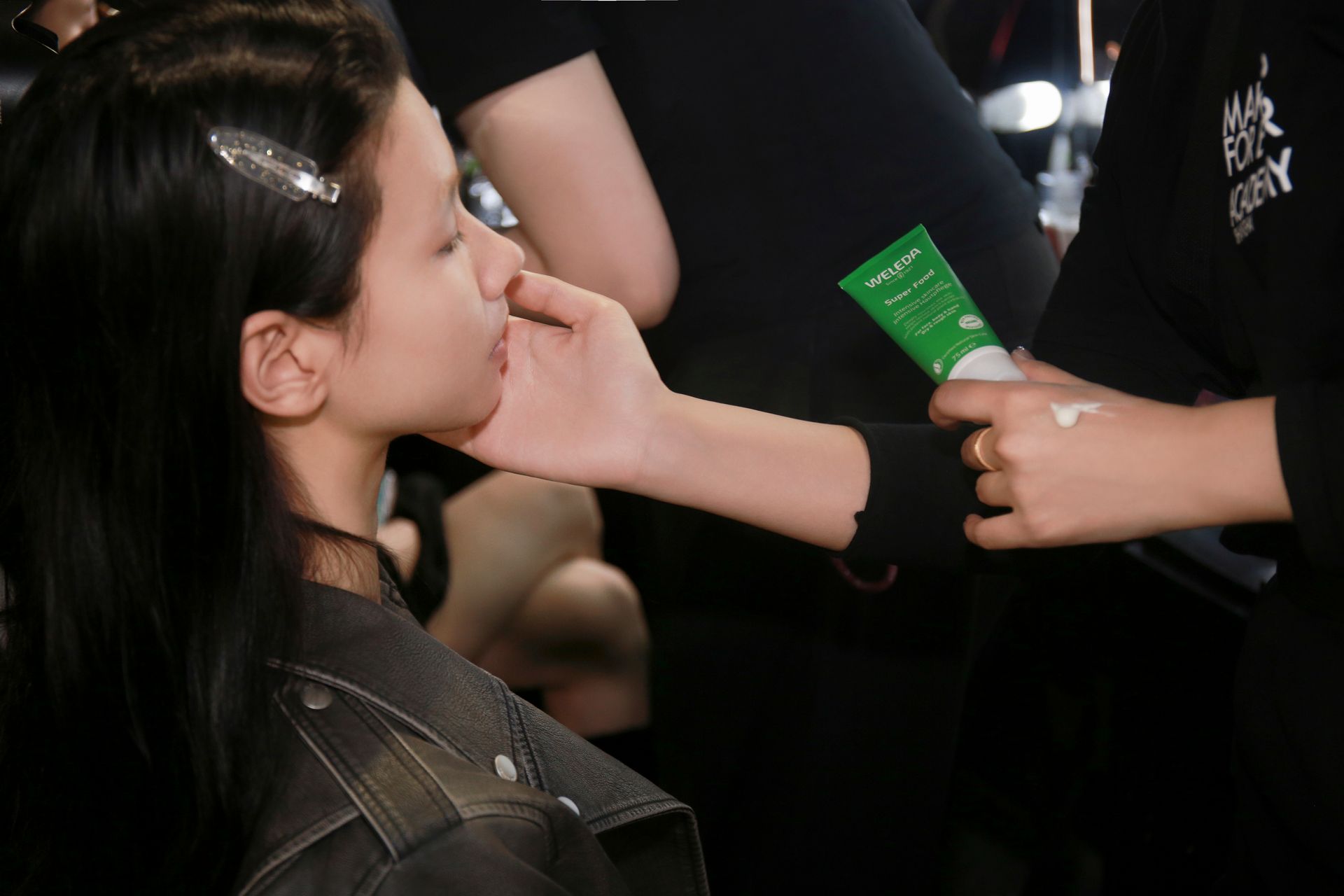
  4. Collaborate Strategically: From working with KOLs to sponsoring events like the Montreux Jazz Festival in Suzhou or the Shanghai Fashion week, Weleda smartly balanced niche collaborations with broad market appeal. 
  5. Sustainable Growth Over Hype: Unlike brands chasing instant fame, Weleda prioritized sustainable growth. With a medium-range price point, consistent product efficacy, and high customer retention, they’ve cultivated a loyal audience that champions the brand. 


Looking Ahead

In 2024, Weleda continues to ride the wave of success. Revenue from the recent 11/11 shopping festival grew 15% year-over-year, a testament to the brand’s refined approach to e-commerce and social media marketing. Baby care remains the cornerstone of their business, but beauty products are rapidly gaining ground.

As more Chinese consumers seek organic niche brands that align with their values, Weleda’s organic promise resonates deeply. Yet, challenges remain, from managing stock levels to competing with other international clean beauty brands.

Still, Weleda’s 20-year journey in China proves that with patience, adaptability, and a sharp focus on consumer needs, brands can carve out a meaningful space in this complex market.


At Think East, we keep you updated on the strategies brands use to succeed in China’s dynamic market. If you’re a new brand looking to enter the Chinese market or refine your approach, reach out to us. We’re here to help you craft a strategy that works for your goals.


Stay tuned for our next post, and connect with us on LinkedIn or via email—we’d love to hear your thoughts and questions.


See you next time!

Banner image and all gallery images: Weleda
By Eini Kärkkäinen February 10, 2026
When Adidas released its Tang jacket ahead of Lunar New Year 2024, it was intended as a limited regional drop for Mainland China, Hong Kong, Macau, and Taiwan. Instead, it became one of the most recognizable fashion phenomena in China’s modern streetwear scene. Queues formed outside flagship stores, social media buzzed with styling posts, and resale prices surged. By 2026, the jacket had evolved from a seasonal item into a cultural symbol. Its resonance, however, came from more than design alone. It captured a pivotal moment in China’s emotional landscape. Post-COVID Reconnection with Cultural Identity The pandemic reshaped how many Chinese consumers view identity, heritage, and consumption. Lockdowns, limited travel, and global tension prompted renewed appreciation for domestic craftsmanship and cultural symbolism. Young consumers began favoring products that reflected confidence and continuity rather than globalized trends. This mindset drove movements such as Guochao (国潮) and Neo-Chinese (新中式) fashion. The Tang jacket fit naturally within this shift, offering a modern, wearable link to tradition. Reimagining Tradition for Everyday Wear The Tang jacket draws from Tangzhuang (唐装), garments whose roots trace back to styles popularized during the Tang dynasty, a period celebrated for cultural openness and artistry. Adidas incorporated traditional details such as Mandarin collars, frog-button closures (盘扣), and symbolic knot fastenings into its signature three-stripe silhouette. The collaboration with Chinese designer Samuel Guiyang further grounded the project in local aesthetics, combining his contemporary tailoring approach with Adidas’ streetwear identity. These features, traditionally associated with harmony and fortune, were reimagined with modern proportions and materials, creating a garment that felt both authentic and current. This balance made it appealing to fashion-forward youth and culturally mindful consumers alike. Overseas Chinese and Global Amplification A major factor behind the jacket’s rise was its enthusiastic reception among overseas Chinese communities. For diaspora consumers, cultural symbols hold heightened emotional weight. Living abroad often deepens one’s sense of heritage, and the Tang jacket became a stylish conduit for connection. On Xiaohongshu, Instagram, and TikTok, users abroad showcased it as both fashion and pride. That content flowed back into China’s digital sphere, fueling a cross-border feedback loop that transformed a regional launch into a global cultural trend. Platform-Driven Storytelling and Scarcity The product’s spread reflected the dynamics of China’s integrated social platforms. Users posted unboxings, Lunar New Year family photos, and reunion clips featuring the jacket, telling stories grounded in emotion rather than advertising. Algorithms amplified these personal narratives, while limited inventory created natural scarcity. The result was a self-perpetuating cycle of desirability and visibility. Adidas did not need aggressive promotion, as community storytelling and peer validation drove success organically. From Sportswear Brand to Cultural Participant Adidas’ emerging cultural role became clear in October 2025, when it closed Shanghai Fashion Week SS26 with its “Power of Three” showcase. Merging traditional motifs with innovative performance fabrics, the event signaled the brand’s transformation from an international sportswear supplier to a meaningful participant in China’s fashion ecosystem. Adidas was no longer adapting to cultural trends; it was helping shape them.
By Fiona Koh January 13, 2026
Whoever has visited China, no matter how big or small the city, will have observed one thing: Chinese elderly women line dancing in public plazas to loud Chinese pop songs blaring out of big speakers. Even late at night, the Chinese aunties dance in big groups and spend time together. Anyone who has spent some time in China will also have noticed the ubiquitous outdoor fitness parks where elderly men casually crank out pull-ups as if they’re competing in a world championship, staying fit with whatever equipment happens to be available. Furthermore, China’s “silver economy” providing products and services for the elderly is estimated at ~7 trillion yuan (~CHF 800 billion) as of 2023 and projected to reach ~30 trillion yuan (~CHF 3.4 trillion) by 2035. Such observations are in stark contrast to the Swiss landscape: Elderly are mostly seen running errands before they disappear back into their house or apartment. While some take to the mountains for hiking, everyday public life remains largely age-neutral, with older generations mostly out of sight. Beyond walking or hiking, it is uncommon to see elderly people dancing or exercising openly in public spaces. But why are the two cultures so different in how elderly find their space in society? The contrast isn’t accidental; it’s the result of history, urban design, social norms, and how each society understands aging itself. First, public space plays a very different role. In China, dense urban living and a long tradition of communal life mean that plazas, parks, and courtyards function as extensions of the home. Dancing, tai chi, or using outdoor fitness equipment is not seen as “performative” or unusual; it’s simply how one belongs to the community, and elderly people are encouraged to be part. In Switzerland, by contrast, private space is larger and more protected. Social life is more likely to move indoors or into organized clubs, and being loudly visible in public can feel intrusive rather than communal. Second, cultural attitudes toward collectivism versus privacy matter. Chinese society has deep collectivist roots. Group activities, especially among older generations, feel natural and comforting. Swiss culture places a much higher value on privacy, individual boundaries, and not “disturbing” others. Third, infrastructure and policy reinforce these norms. China has deliberately invested in free, accessible outdoor fitness parks and large plazas, especially since the 1990s. Switzerland invests heavily in nature access and healthcare, but far less in everyday, informal social infrastructure for the elderly. 
By Fiona Koh January 5, 2026
While the Chinese electric vehicle (EV) giant BYD is often the focus of European market analysis, a new competitor has already quietly entered the continent. XPENG, a technology-driven EV manufacturer, has identified Europe as the centre piece for its long-term global growth. Since 2021, XPENG has pursued European expansion. Switzerland, despite its small population, has emerged as one of XPENG’s earliest and most strategically symbolic European markets. In this article I analyse XPENG’s European strategy through the specific lens of its Swiss market launch, leveraging corporate announcements, partnership disclosures, and industry analysis from 2024 to today. Moving beyond the rhetoric of “disruption,” I examine the practical, multidimensional drivers behind XPENGs expansion: Strategic Market Choice: Why Switzerland Became XPENG’s Most Recent Key Market XPENG’s Brand Strategy and Key Differentiators: Premium AI-driven EVs Supply Chain Considerations: Local Production in Austria, The Move That Changed Everything Swiss Go-To-Market Strategy: Distribution and Trust Future Considerations and Big Picture: XPENG’s European Future, Geopolitical Considerations 1. Strategic Market Choice: Why Switzerland Became XPENG’s Most Recent Key Market XPENG kicked off its European expansion in 2021, entering markets with established EV adoption, such as Norway, Sweden, the Netherlands, and Denmark. The company deepened its continental presence in 2024 by launching in the key automotive hubs of Germany, France, the UK, and Italy. Now, as of late 2025, XPENGs strategy focuses on rapid European market expansion to achieve comprehensive European coverage. A significant new market in this phase is Switzerland. Unlike the Nordic nations, which are recognised leaders in EV adoption, Switzerland has a different market profile, characterised by high purchasing power but more moderate EV penetration (see Graph 1). This raises a key strategic question: why would XPENG prioritise Switzerland as an early and important market? Switzerland is a small country and not an EV-heaven like the Nordics (see Graph 1). So what makes Switzerland a strategic choice for XPENG? My analysis suggests three primary factors that make Switzerland a strategically attractive entry point for XPENG: High EV Adoption Rate: Switzerland is a logical next step in XPENG’s market expansion. As shown in Graph 1, the country has one of the highest electric vehicle adoption rates in Europe, following closely behind the Nordic markets where XPENG first established its European presence. By entering Switzerland, the company directly targets a large customer base that is already familiar with and receptive to electric mobility, reducing the need for extensive consumer education on EV technology. Absence of a Domestic Auto Industry: Switzerland lacks a significant domestic car manufacturing sector compared to Germany or France, where XPENG is already active. Consequently, XPENG enters a market largely free from the protective industrial policies or legislative measures often designed to shield local automakers from international competition. This creates a more open and less politically complex competitive landscape. Strong Purchasing Power and Premium Market Affinity: The Swiss market aligns well with XPENG’s premium positioning. Data indicates that Swiss consumers are accustomed to new car prices in the range of CHF 60,000 and above, which corresponds directly with XPENG’s pricing strategy. Furthermore, the market exhibits a strong and sustained preference for premium automotive brands, with BMW, Audi, and Mercedes-Benz consistently holding large market shares. This consumer behaviour toward high-value vehicles provides a favourable environment for XPENG to position itself as a technology-focused alternative within the premium segment.