The China Edition #4: On’s Success in China: From Wholesale to Community-Centered Retail

Amy Weng • April 21, 2025

When On entered the Chinese market in 2018, it followed a traditional B2B wholesale model, focusing on wholesale distribution. By 2021, the brand started shifting toward direct-to-consumer (D2C) retail, preparing for standalone stores. Then, COVID-19 disrupted expansion plans, delaying progress until 2023, when On was finally able to accelerate its retail growth.


How did a Swiss sports brand establish itself in China so quickly and compete with industry giants like Nike and Adidas? Instead of relying solely on product sales, On built a running culture. The brand positioned itself around community, performance, and innovation, creating a lifestyle-driven experience while maintaining its strong athletic identity.


2024: A Year of Expansion & Engagement

Last year, On introduced a series of campaigns and retail activations that reinforced its presence in China:

  • March – "Dream" campaign launch with a focus on music
  • June – Collaboration with Loewe, combining innovation and fashion
  • August – Opened new stores in Hong Kong, Wuhan, and Nanjing
  • December – Launch of Cloudboom Strike LS, a high-performance running shoe for marathoners


Shanghai Running Community Store: A Minimalist Hub for Runners


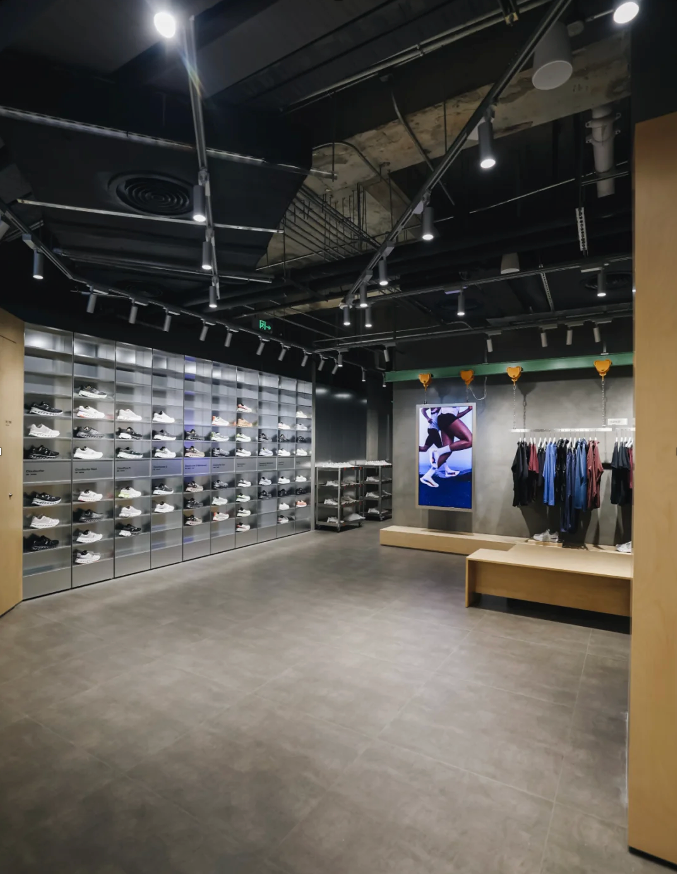
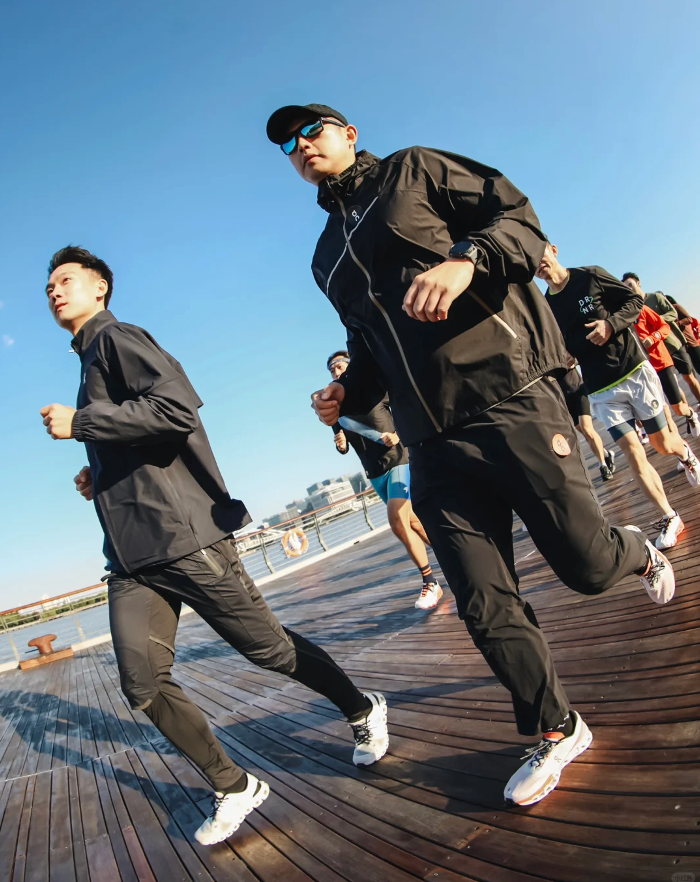
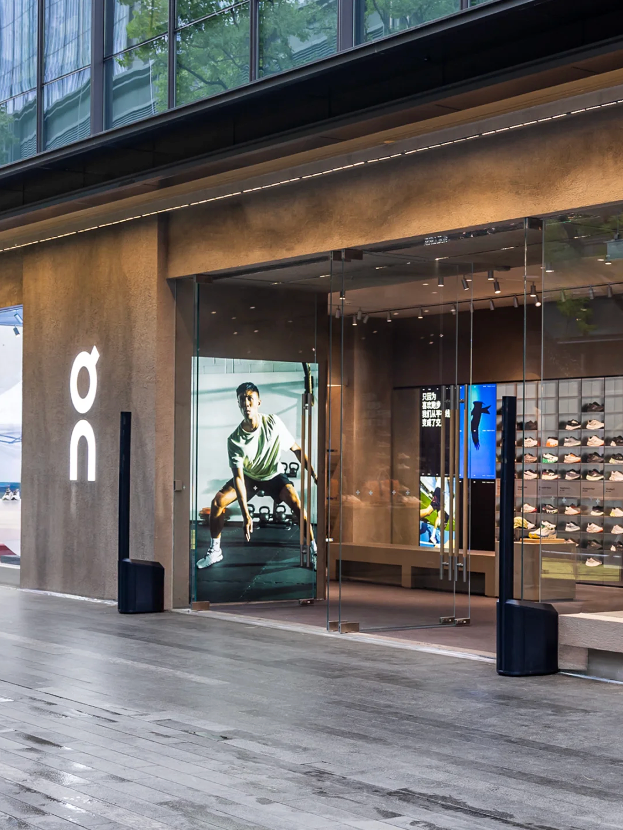
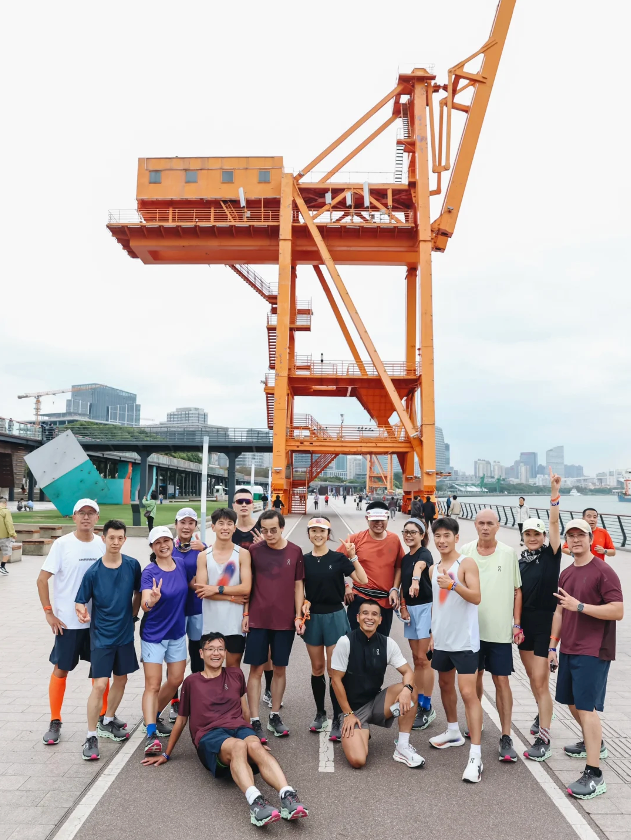
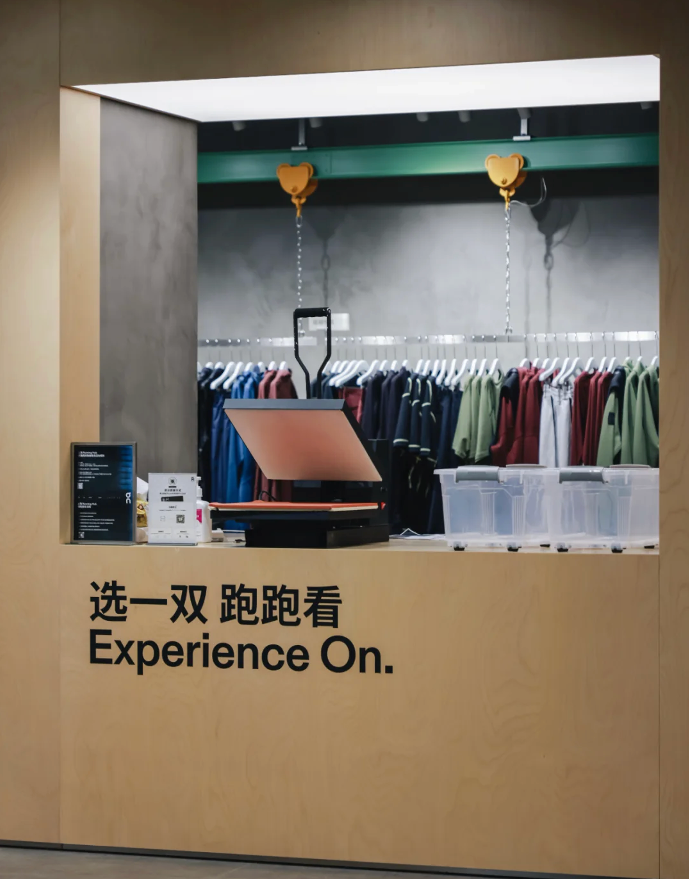
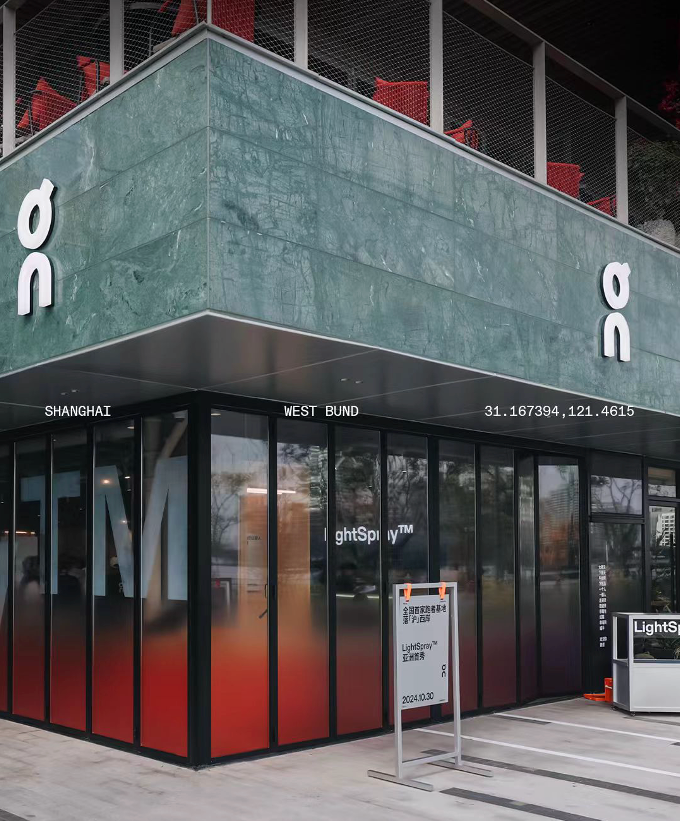
At its West Bund flagship store, On took a different approach to retail. Rather than creating a traditional shopping experience, the store was designed as a community hub for runners. The space feels more like a gathering point for athletes than a commercial store.


One of the store’s key activations was the exclusive Cloudboom Strike LS shoe release, limited to 48 pairs. These shoes were given to athletes, with a few left in-store for runners to test. This initiative strengthened On’s connection with dedicated runners and reinforced its reputation as a brand built for performance.


How On Activated the Community at West Bund:

  • Influencer & PR Strategy – Sports media and dedicated athletes took center stage instead of traditional KOL-heavy promotions.
  • Cloudboom Strike LS Shoe Activation – Professional runners engaged directly with the product.
  • Panel Discussions with Athletes – Conversations around running performance and innovation.
  • Community Spaces & Benefits:
  • 10 running groups with over 200 participants
  • Changing rooms & free shoe rentals for trial runs
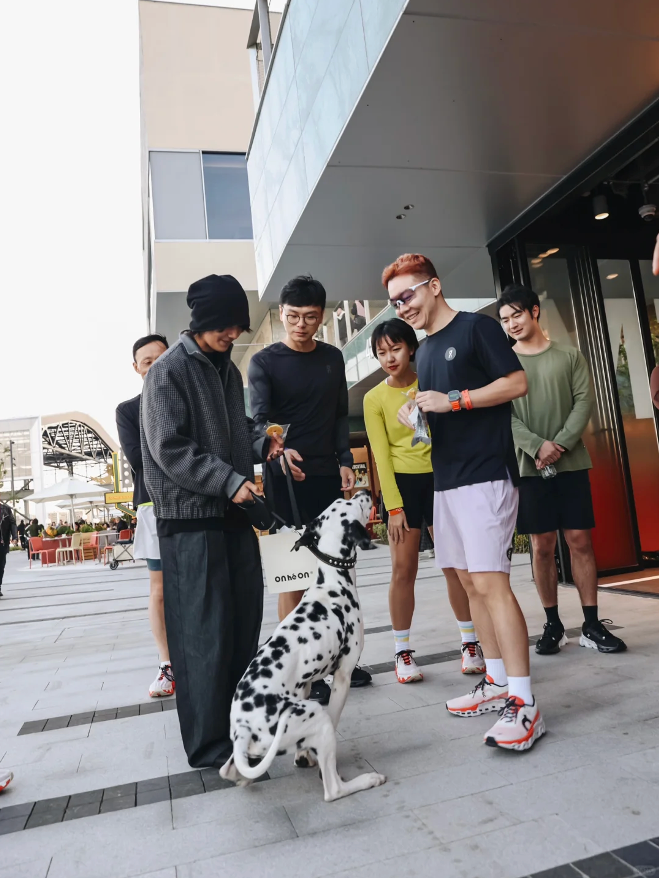
  • Pet-friendly facilities for runners with dogs


By focusing on engagement rather than direct sales, On built strong connections with the running community, strengthening brand loyalty and authenticity.


What's Next?


On is expanding its community-driven approach with:

  • More localized running events & meetups
  • More experiential store openings designed for interaction
  • Expansion beyond running into sports like tennis
  • Shanghai Spring Pop-Up – An activation promoting CloudTec Phase® technology through immersive design.


On’s strategy in China goes beyond retail, turning stores into spaces where runners can meet, test products, and connect with the brand.


At Think East, we keep you updated on the strategies brands use to succeed in China’s dynamic market. If you’re a new brand looking to enter the Chinese market or refine your approach, reach out to us. We’re here to help you craft a strategy that works for your goals.


Stay tuned for our next post, and connect with us on LinkedIn or via email—we’d love to hear your thoughts and questions.


See you next time!


Banner image and all gallery images: On China
By Fiona Koh January 13, 2026
Whoever has visited China, no matter how big or small the city, will have observed one thing: Chinese elderly women line dancing in public plazas to loud Chinese pop songs blaring out of big speakers. Even late at night, the Chinese aunties dance in big groups and spend time together. Anyone who has spent some time in China will also have noticed the ubiquitous outdoor fitness parks where elderly men casually crank out pull-ups as if they’re competing in a world championship, staying fit with whatever equipment happens to be available. Furthermore, China’s “silver economy” providing products and services for the elderly is estimated at ~7 trillion yuan (~CHF 800 billion) as of 2023 and projected to reach ~30 trillion yuan (~CHF 3.4 trillion) by 2035. Such observations are in stark contrast to the Swiss landscape: Elderly are mostly seen running errands before they disappear back into their house or apartment. While some take to the mountains for hiking, everyday public life remains largely age-neutral, with older generations mostly out of sight. Beyond walking or hiking, it is uncommon to see elderly people dancing or exercising openly in public spaces. But why are the two cultures so different in how elderly find their space in society? The contrast isn’t accidental; it’s the result of history, urban design, social norms, and how each society understands aging itself. First, public space plays a very different role. In China, dense urban living and a long tradition of communal life mean that plazas, parks, and courtyards function as extensions of the home. Dancing, tai chi, or using outdoor fitness equipment is not seen as “performative” or unusual; it’s simply how one belongs to the community, and elderly people are encouraged to be part. In Switzerland, by contrast, private space is larger and more protected. Social life is more likely to move indoors or into organized clubs, and being loudly visible in public can feel intrusive rather than communal. Second, cultural attitudes toward collectivism versus privacy matter. Chinese society has deep collectivist roots. Group activities, especially among older generations, feel natural and comforting. Swiss culture places a much higher value on privacy, individual boundaries, and not “disturbing” others. Third, infrastructure and policy reinforce these norms. China has deliberately invested in free, accessible outdoor fitness parks and large plazas, especially since the 1990s. Switzerland invests heavily in nature access and healthcare, but far less in everyday, informal social infrastructure for the elderly. 
By Fiona Koh January 5, 2026
While the Chinese electric vehicle (EV) giant BYD is often the focus of European market analysis, a new competitor has already quietly entered the continent. XPENG, a technology-driven EV manufacturer, has identified Europe as the centre piece for its long-term global growth. Since 2021, XPENG has pursued European expansion. Switzerland, despite its small population, has emerged as one of XPENG’s earliest and most strategically symbolic European markets. In this article I analyse XPENG’s European strategy through the specific lens of its Swiss market launch, leveraging corporate announcements, partnership disclosures, and industry analysis from 2024 to today. Moving beyond the rhetoric of “disruption,” I examine the practical, multidimensional drivers behind XPENGs expansion: Strategic Market Choice: Why Switzerland Became XPENG’s Most Recent Key Market XPENG’s Brand Strategy and Key Differentiators: Premium AI-driven EVs Supply Chain Considerations: Local Production in Austria, The Move That Changed Everything Swiss Go-To-Market Strategy: Distribution and Trust Future Considerations and Big Picture: XPENG’s European Future, Geopolitical Considerations 1. Strategic Market Choice: Why Switzerland Became XPENG’s Most Recent Key Market XPENG kicked off its European expansion in 2021, entering markets with established EV adoption, such as Norway, Sweden, the Netherlands, and Denmark. The company deepened its continental presence in 2024 by launching in the key automotive hubs of Germany, France, the UK, and Italy. Now, as of late 2025, XPENGs strategy focuses on rapid European market expansion to achieve comprehensive European coverage. A significant new market in this phase is Switzerland. Unlike the Nordic nations, which are recognised leaders in EV adoption, Switzerland has a different market profile, characterised by high purchasing power but more moderate EV penetration (see Graph 1). This raises a key strategic question: why would XPENG prioritise Switzerland as an early and important market? Switzerland is a small country and not an EV-heaven like the Nordics (see Graph 1). So what makes Switzerland a strategic choice for XPENG? My analysis suggests three primary factors that make Switzerland a strategically attractive entry point for XPENG: High EV Adoption Rate: Switzerland is a logical next step in XPENG’s market expansion. As shown in Graph 1, the country has one of the highest electric vehicle adoption rates in Europe, following closely behind the Nordic markets where XPENG first established its European presence. By entering Switzerland, the company directly targets a large customer base that is already familiar with and receptive to electric mobility, reducing the need for extensive consumer education on EV technology. Absence of a Domestic Auto Industry: Switzerland lacks a significant domestic car manufacturing sector compared to Germany or France, where XPENG is already active. Consequently, XPENG enters a market largely free from the protective industrial policies or legislative measures often designed to shield local automakers from international competition. This creates a more open and less politically complex competitive landscape. Strong Purchasing Power and Premium Market Affinity: The Swiss market aligns well with XPENG’s premium positioning. Data indicates that Swiss consumers are accustomed to new car prices in the range of CHF 60,000 and above, which corresponds directly with XPENG’s pricing strategy. Furthermore, the market exhibits a strong and sustained preference for premium automotive brands, with BMW, Audi, and Mercedes-Benz consistently holding large market shares. This consumer behaviour toward high-value vehicles provides a favourable environment for XPENG to position itself as a technology-focused alternative within the premium segment.
By Amy Weng January 20, 2025
Xiaohongshu (RED) has evolved from a China-based shopping guide into a global lifestyle hub with over 300 million monthly active users. RED has also become China's number one search engine app, and is gaining international attention recently, especially as “TikTok refugees” in the U.S. search for alternative platforms amidst TikTok’s uncertain future. For international brands and organizations, RED offers a powerful opportunity to establish credibility, visibility, and trust with a sophisticated audience. Why RED Matters for Everyone RED is a lifestyle-focused, user-driven platform where content and conversations shape public perception. This makes it invaluable for seeding awareness, whether for global institutions, luxury brands, or niche organizations entering the Chinese market. With its foundation in trust and user-driven content, RED positions organizations as leaders in their space. Here’s how institutions can leverage this unique platform for growth: Discovery : RED’s users actively seek fresh ideas, meaningful insights, and reliable recommendations. Whether exploring lifestyle trends, educational initiatives, or cultural content, users engage deeply with curated posts. Trust Through Content : Over 80% of posts are user-generated, creating an environment of authenticity. For institutions, this opens the door to connect with audiences by sharing real, relatable content that resonates with their values. A Gateway to China’s Urban Population : RED’s audience consists largely of female professionals and students in first- and second-tier cities, giving institutions access to influential and forward-thinking demographics. For example, a museum or cultural institution could use RED to showcase exclusive exhibitions, share behind-the-scenes content, or highlight global partnerships. This not only builds awareness but also sparks curiosity and fosters engagement with urban audiences interested in arts and culture. Why RED Is Essential for Brand and Institutional Growth RED provides a low-barrier entry point to build visibility in one of the world’s most competitive digital spaces. Its focus on authentic discovery and trust helps organizations gain traction with the right audiences. Seeding Awareness : RED allows organizations to position themselves as thought leaders or trusted entities. Whether through knowledge-sharing, success stories, or behind-the-scenes glimpses, it’s ideal for creating a lasting impression. Building Conversations : RED fosters meaningful interactions. Institutions can start discussions around shared values, research, or initiatives that align with the platform’s focus on thoughtful content. Leveraging Local Influence : RED’s ecosystem of influencers, including Key Opinion Leaders (KOLs) and Key Opinion Consumers (KOCs), amplifies visibility and credibility. Strategic partnerships with the right influencers can elevate messaging and build connections with targeted audiences effectively. Pro Tip : Many brands succeed by employing the KFS Strategy: a combination of Key Opinion Leaders (KOLs), Feeds, and Search Ads. This multi-pronged approach ensures visibility across key touchpoints. Advertising and Influencer Partnerships on RED RED’s advertising and influencer tools work best when integrated into a broader content strategy. Ads are not just about visibility but about positioning your institution or brand authentically within the platform’s ecosystem. In-Feed Native Ads : These ads appear seamlessly in users’ feeds, blending with organic content while carrying a “sponsored” tag. Institutions can use in-feed ads to promote educational content, events, or campaigns, aligning with the platform’s focus on meaningful interactions. Search Ads : By targeting specific keywords, these ads connect organizations with users actively seeking related content. Though they involve higher costs, they are highly effective for driving action and intent. Influencer Partnerships : RED’s 6,000+ KOLs and KOCs offer an array of collaboration opportunities. While micro-influencers charge between 2,000–5,000 RMB per post, top-tier KOLs can command hundreds of thousands of RMB or more per campaign, making influencer partnerships scalable to any budget or goal. RED’s Unique Role as a Seeding Platform Whether you’re a global brand or an institution promoting education, culture, or research, RED allows you to: Seed ideas and spark curiosity that lead to organic engagement. Build recognition and trust over time by prioritizing authenticity. Cultivate meaningful connections in China’s ever-evolving digital landscape. For example, a university could use RED to promote cultural exchange programs, showcase student testimonials, or highlight partnerships with Chinese academic institutions. This type of content resonates with RED’s audience, who value both inspiration and credibility. Final Thoughts RED is a space where any entity can amplify its visibility and credibility in China. By focusing on storytelling, authenticity, and community engagement, RED bridges the gap between global values and local aspirations, making it an invaluable tool for seeding awareness. 💡 At Think East, we specialize in strategy, account setup, and management of RED accounts for international institutions and brands. Interested in exploring RED for your institution or organization? Let’s build a tailored strategy to help you succeed. Stay tuned for our next post, and connect with us on LinkedIn or via email — we’d love to hear your thoughts and questions. See you next time!